Systems map
Systemic Racism in the Roots
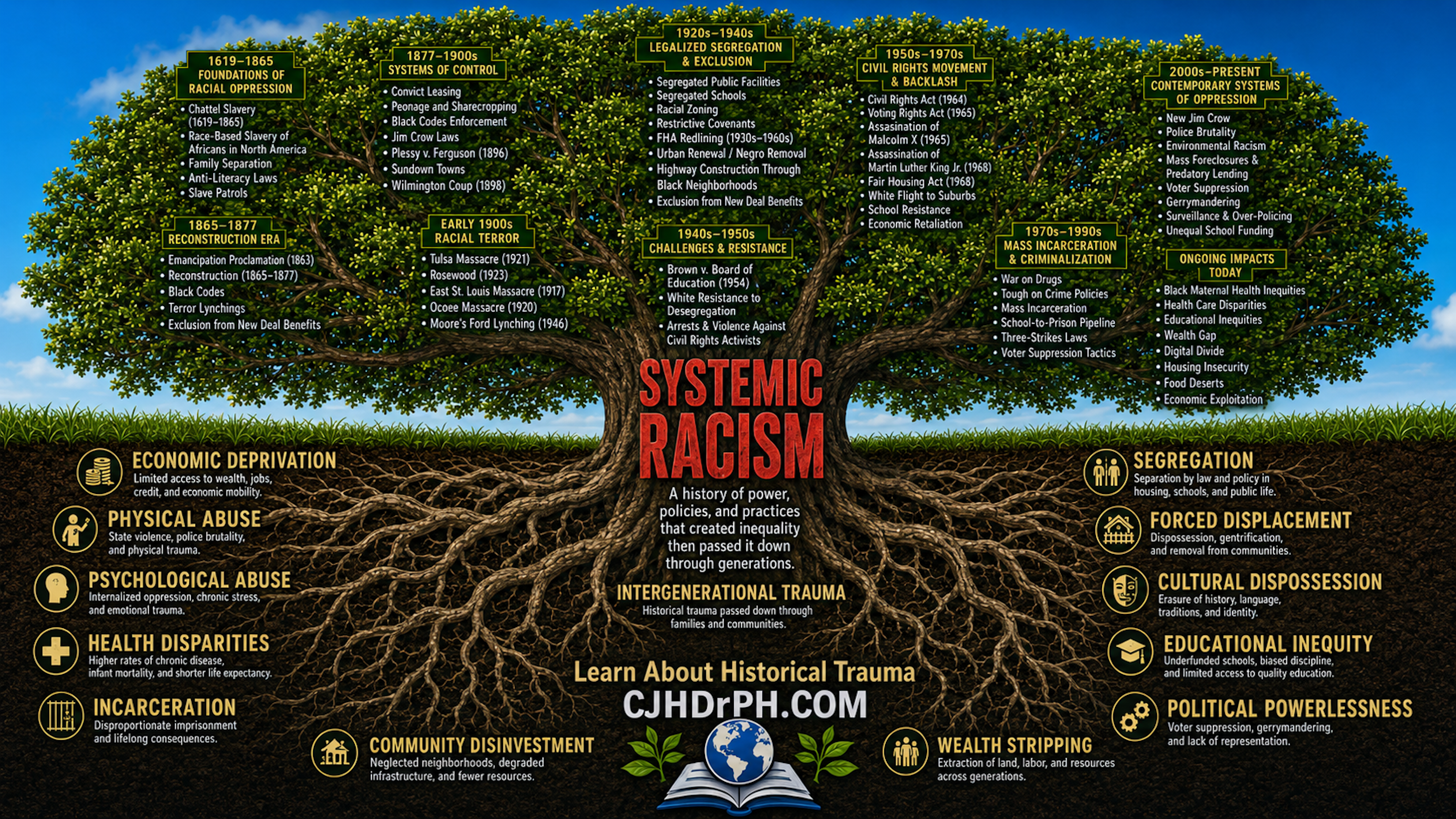
Policy and power above ground; intergenerational trauma and inequity carried through the roots.
Public health · memory · moral imagination
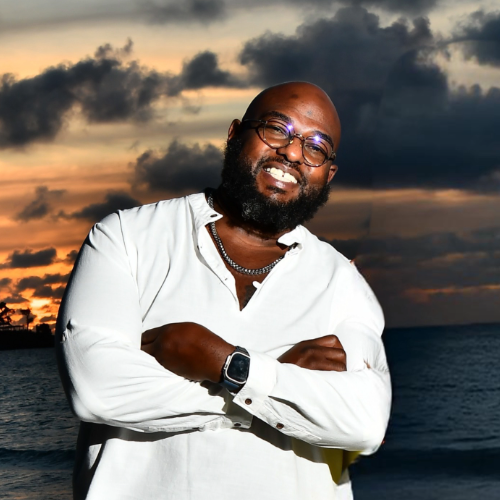
Dr. Corey J. Henderson brings public health research, historical memory, theology, and lived experience into a shared language for transformation.
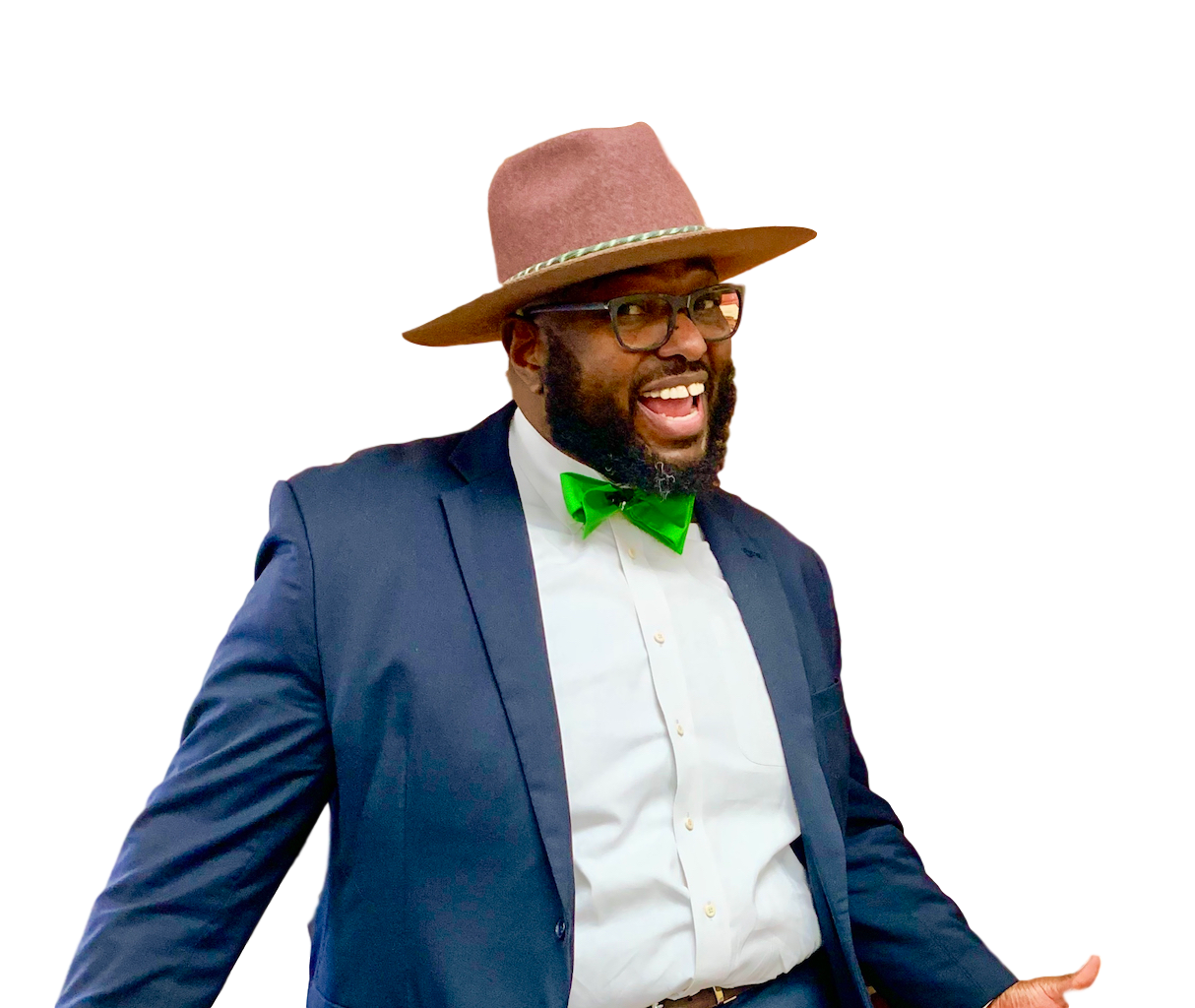
Dr. Corey J. Henderson, DrPH, MPA
Historical trauma is not confined to the past. It can remain present in policy, place, health, memory, and relationship. Healing begins when we name what happened, examine what continues, and build conditions in which people and communities can live more fully.
History continues to shape how Black communities live, learn, work, and connect. Roots & Repair explores how racial trauma reverberates across generations—and where healing can begin.
Each daily story connects a historical event or policy to the community harmed, its present-day effects, and the ways its impact can carry forward. Brief, actionable steps highlight opportunities for policy change, changes in everyday behavior, and stronger community connections.
Designed for educators and community facilitators, the app includes source links, discussion guides, and tools to save stories and track actions. Community strength and resilience remain central to every story.
Understand the history. Recognize the connections. Take a step toward repair.
A practice for intentional transformation
A four-part movement from honest recognition to sustained, generational wellbeing.
Name history and lived experience without minimizing what happened or what remains.
Study the beliefs, behaviors, policies, and institutional patterns that keep harm in motion.
Restore safety, dignity, connection, identity, and the capacity to imagine a different future.
Turn insight into choices and structures that support resilience, purpose, and collective wellbeing.
Signature scholarship
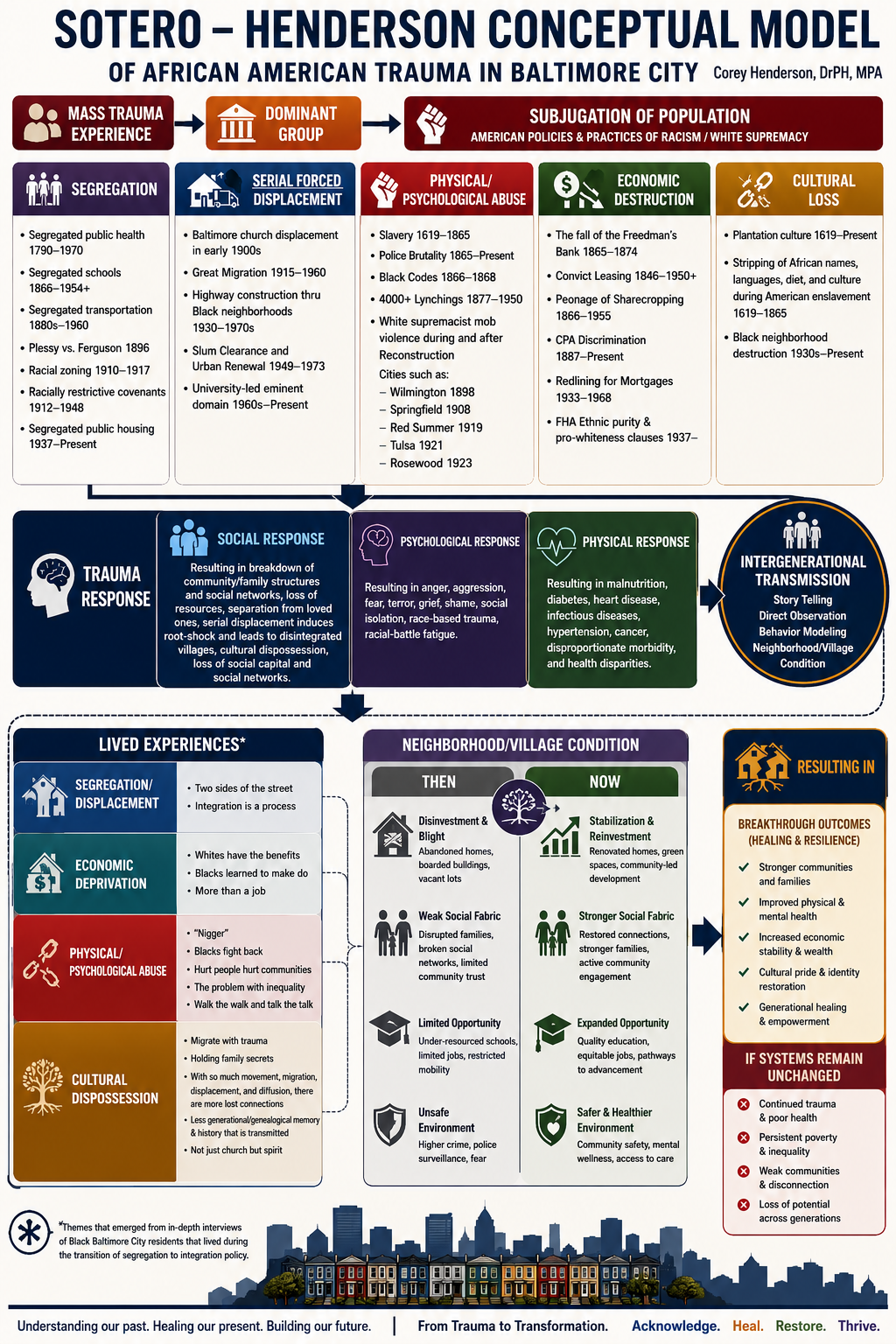
A systems view of African American trauma in Baltimore City—tracing how mass trauma, dominant-group power, and subjugating policies shape social, psychological, and physical responses across generations.
The model also makes room for a different trajectory: restored social fabric, expanded opportunity, safer environments, cultural pride, and generational healing when systems change.
See the system, not only the symptom
These visual histories connect law, policy, displacement, racial terror, institutional resistance, and contemporary disparities. Select a graphic to explore it in detail.
Systems map
Policy and power above ground; intergenerational trauma and inequity carried through the roots.
Historical timeline
A long-view record of policy, displacement, racial violence, resistance, and incomplete repair.
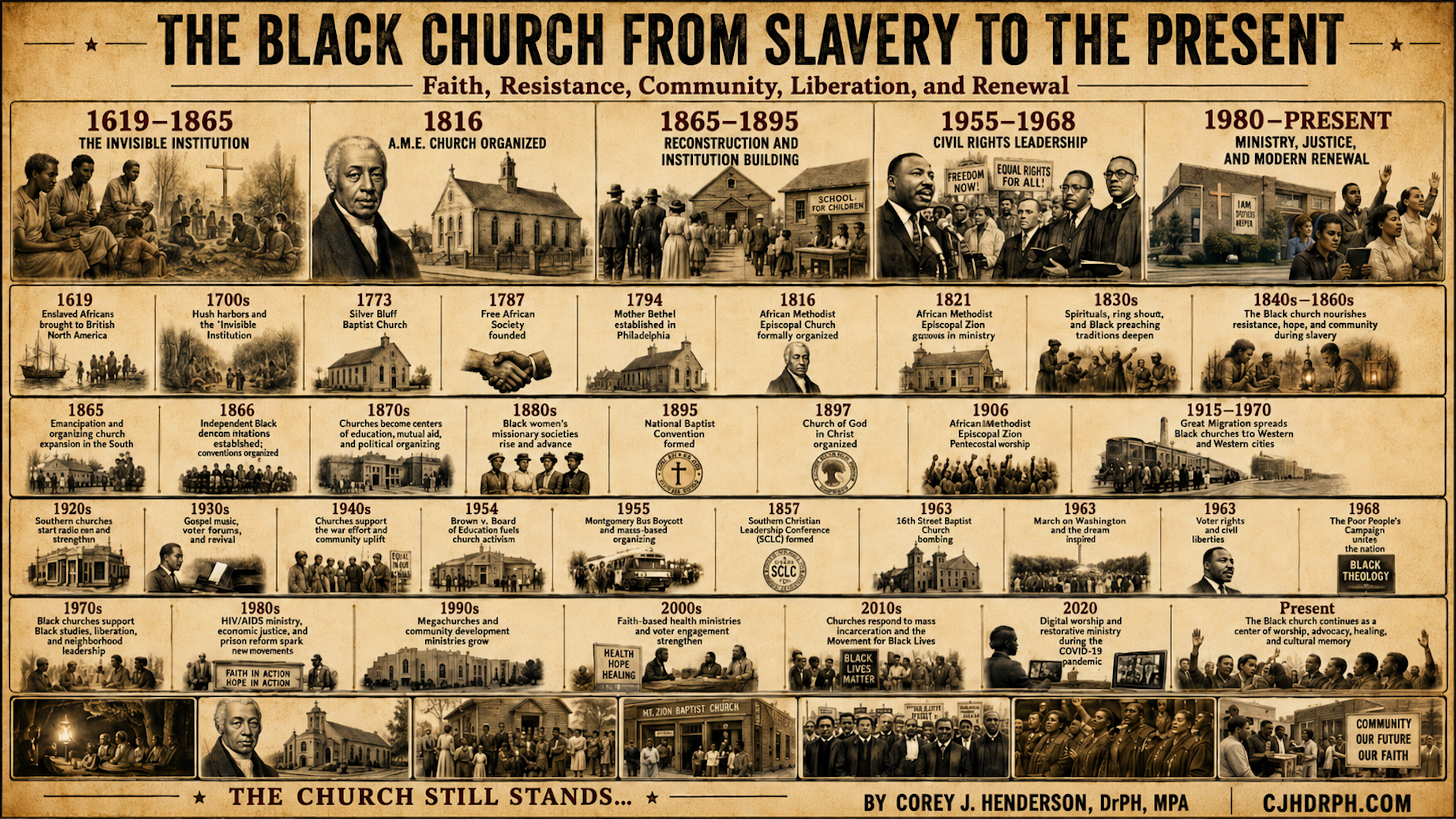
Faith and public life
A visual history of spiritual refuge, institution-building, public witness, and community care.
Bring the work into the room
Rigorous enough for institutions. Human enough for real conversation. Each engagement helps people move from recognition toward responsible action.
Keynotes, workshops, panels, sermons, and reflective talks on trauma, healing, theology, memory, and human dignity.
Books, essays, speeches, and public reflection that deepen thought, preserve memory, and witness truth with care.
Trauma-informed language and strategic counsel for leaders and institutions seeking moral clarity and more human-centered practice.
Research resources
Downloadable models and visual histories for learning, discussion, teaching, and reflection.
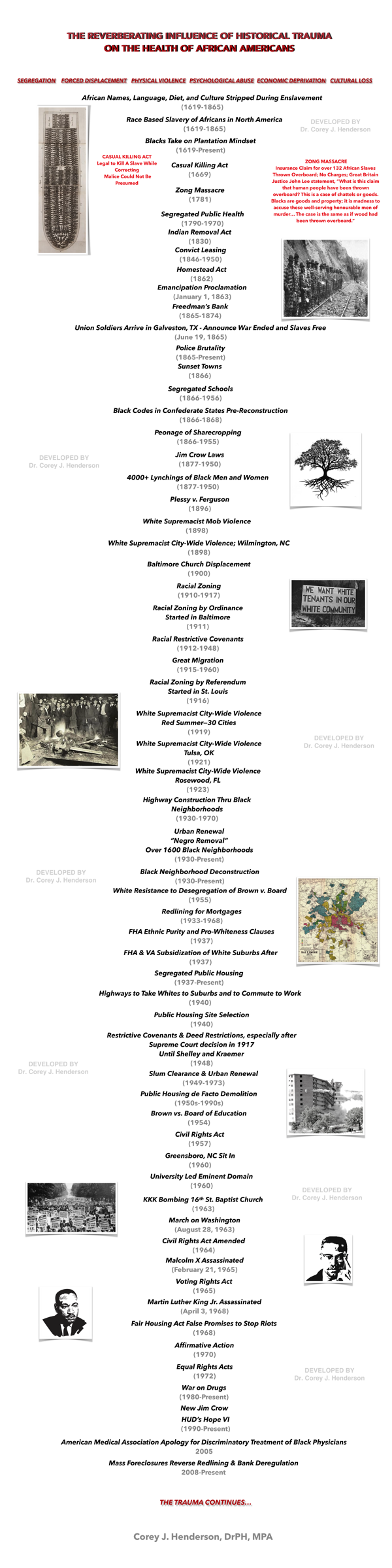
PNG · Historical trauma
A panoramic chronology connecting policy and practice to the health of Black Americans.
Download PNG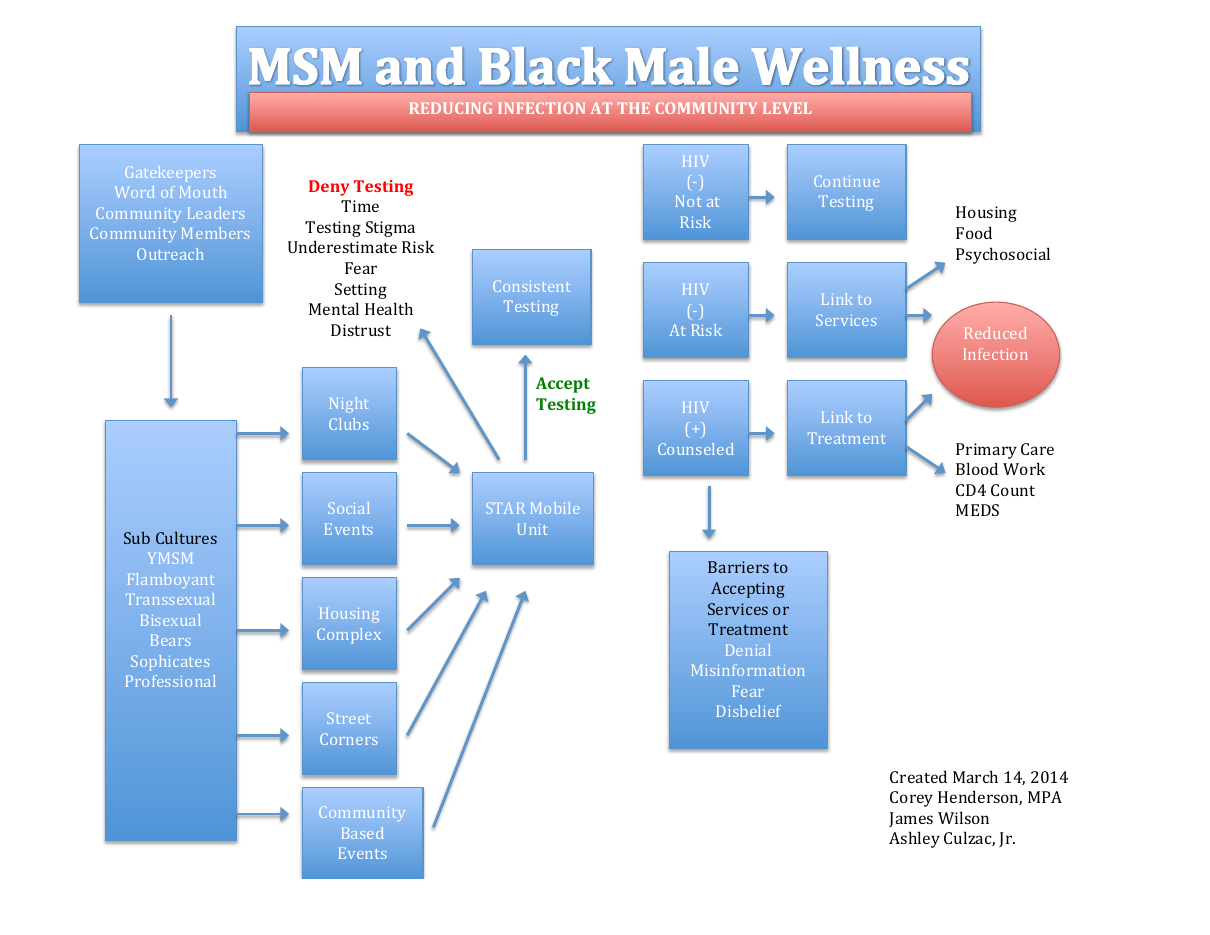
PDF · Community health
A community-level pathway for reducing barriers to testing, care, services, and treatment.
Download PDF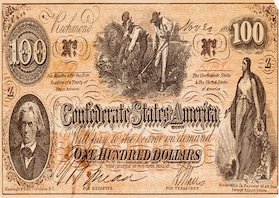
Image · Historical artifact
A visual artifact for conversations about political economy, slavery, memory, and the stories money carries.
Download image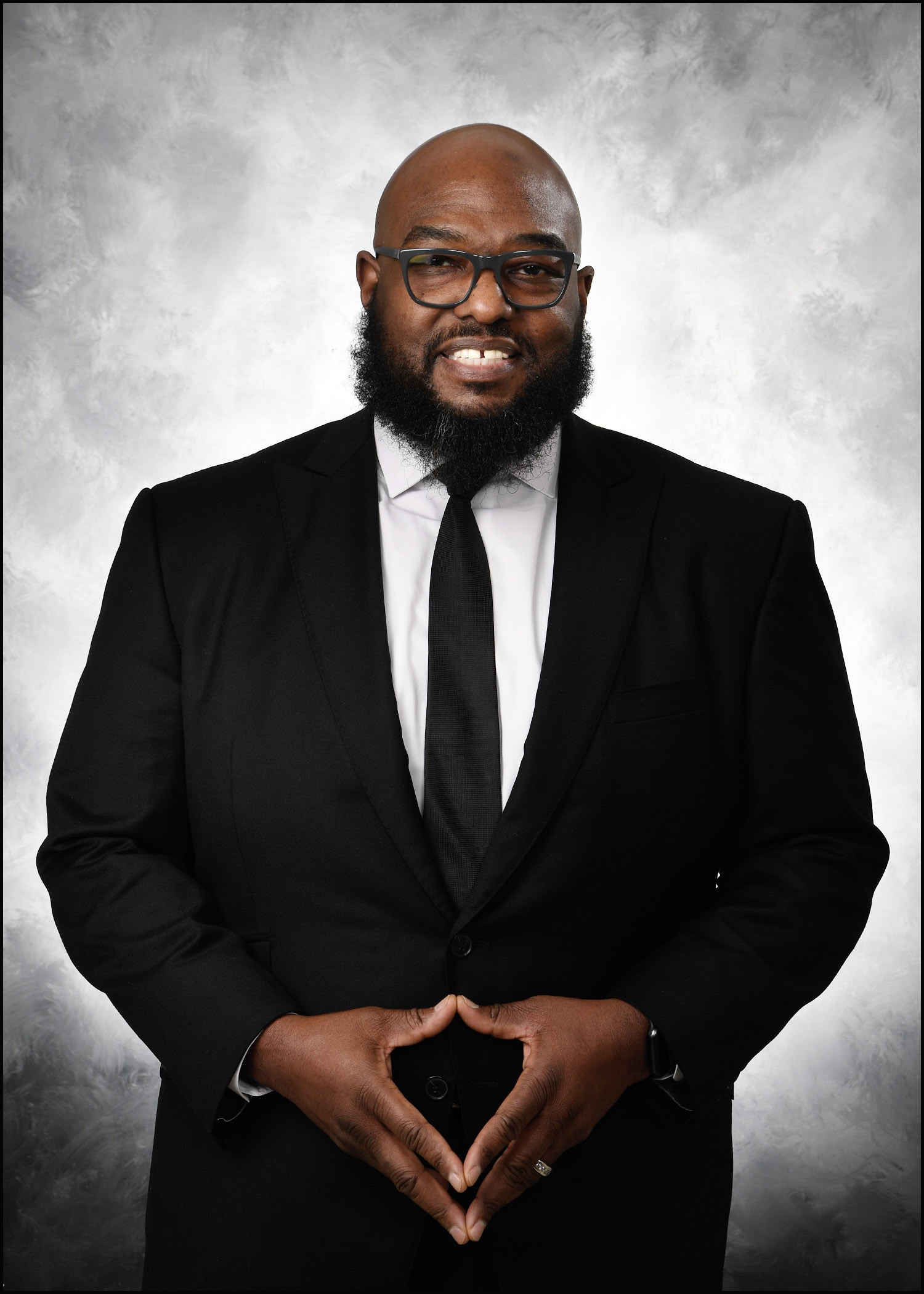
About
Public health scholar · speaker · writer
Dr. Corey J. Henderson, DrPH, MPA, examines historical trauma and its reverberating effects on Black health, communities, identity, and public life. His work brings research into conversation with theology, history, and lived experience.
Through scholarship, visual models, and public reflection, he helps audiences name inherited harm, examine the systems that sustain it, and imagine practices of healing rooted in dignity, truth, and connection.
“Understanding our past. Healing our present. Building our future.”